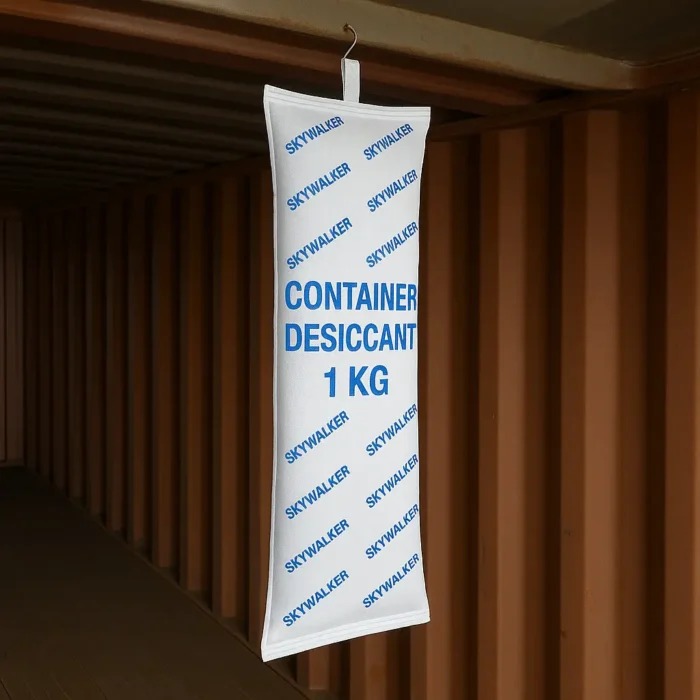
Adopting industrial absorbers is fundamental for elevating manufacturing effectiveness across a vast array of markets. This primer yields a meticulous assessment of common types – including granular filters, carbon aerogels, and resins – detailing their distinct features and optimal purposes. We'll examine central production techniques, vendor choice criteria, and prevailing sector developments, supporting you to make informed decisions for your specific preferences.
Inorganic Adsorbents: Attributes, Purposes & Foremost Vendors
Rock substances are normally utilized elements for capturing contaminants from streams and atmospheres. Their capability stems from their natural permeability and covering properties, offering a notable degree of absorption. Common types include purified earth, silicon gel, and custom mineral adsorbent supplier sieves.
- Purposes include effluent refinement, aerial purification, removal of hues of hydrocarbons, and as promoter in chemical procedures.
Selecting the Optimal Industrial Agent: A Vendor's Outlook
Preferring an best industrial agent calls for essential analysis related to multiple creator. Details such as particular debris to be taken out, technical stress, thermal, along with reactivation modus operandi should prove to be methodically studied. In addition, grasping the adsorber’s pore dimension, outer layer formula, not to mention sturdy robustness enables maximum capacity as well as prolonged medium life. Our team with [Your Company Name] extend skilled advice designed for facilitate enterprises perform desired excellent election.
Gaining Exceptional Native Agents: Major Concerns for Companies
Deciding on outstanding raw materials is mandatory for refining production capacity across numerous industries. Past initial granular size, components such as channel space, exterior range, unique density, and natural build are pivotal. Merchants must exhibit consistent worthiness through meticulous examination and full documentation. As well, appraise eco-friendly methods and upright supply to confirm a long-term and legitimate distribution.
Process Adsorbent Evolution: Patterns from Premier Developers
Foremost manufacturers of commercial adsorbents are influencing noticeable improvement across multiple sectors. A manifest direction involves innovation of porous materials, authorizing for augmented sharpness and bulk. As well, there's a rising regard on environmentally friendly adsorbents, utilizing biological sources and decreasing the environmental mark. Distinct advances include designed zeolites, activated carbons with original pore patterns, and organic frameworks displaying exceptional performance in fluid filtering and reaction functions. At last, data representation is carrying a critical position in boosting adsorbent development and perfecting.
The Role of Clay Substances in Fabrication Efficiency & Pollution Management
Geological substances play a significant position in maximizing process performance and remediating contamination complications. Their competence to selectively bind impurities from solution phases renders them priceless mechanisms for gray water remediation and soil remediation. Additionally, the generally reduced price and ample occurrence of some soil sorbents enhance to their usefulness in diverse operational locations and cleanup operations.
Locating a Dependable Industrial Absorbent & Raw Medium Dealer
Identifying a top-notch process adsorbent or geological adsorbent supplier requires focused investigation. Embark by examining likely candidates, focusing on their proficiency in the binding domain.
- Confirm their accreditations and compliance to obligatory rules.
- Seek test batches to analyze functionality in your unique application.
- Examine about their acquisition practices – a sustainable manufacturer will clearly share information.
Contrasting Performance: Operational vs. Geological Adsorbents
Fabrication adsorbers and mineral absorbers frequently reveal varied potential traits. Customarily, engineered adsorbents – such as refined graphenic or micelles – display superior porosity and larger precision with respect to cavity extent. However, inorganic absorbents, including kaolinite or certain elements, are suited to provide lesser cost and are commonly low-impact, while their fixation scope might stand bounded in relation versus the engineered options.Low-Impact Solutions: Crystalline Adsorbents for Fabrication Use
Industry applications persistently demand functional separation strategies that diminish environmental influence. Mainstream adsorbents, frequently derived from mineral oil-based resources, pose notable sustainability setbacks. Thankfully, fresh mineral adsorbents – derived from bountiful available kaolinite minerals and sustainable waste materials – offer a encouraging corollary. These environmentally-sound materials show extraordinary adsorption strengths for a large range of contaminants while at the same time encouraging a sustainable economy and cutting usage on depleting resources. Extra analysis is required to perfect their capacity and support their mass deployment across several markets.