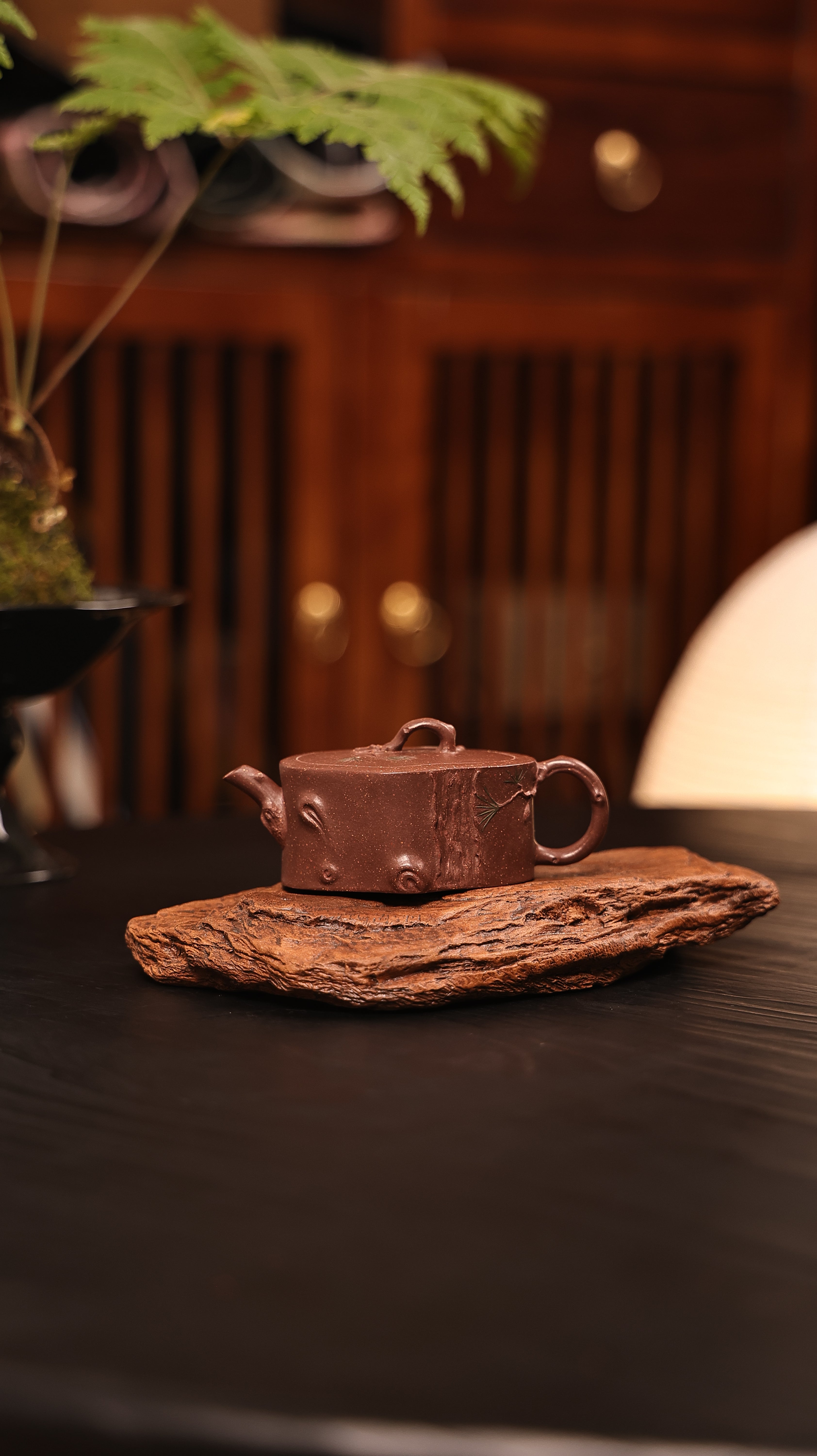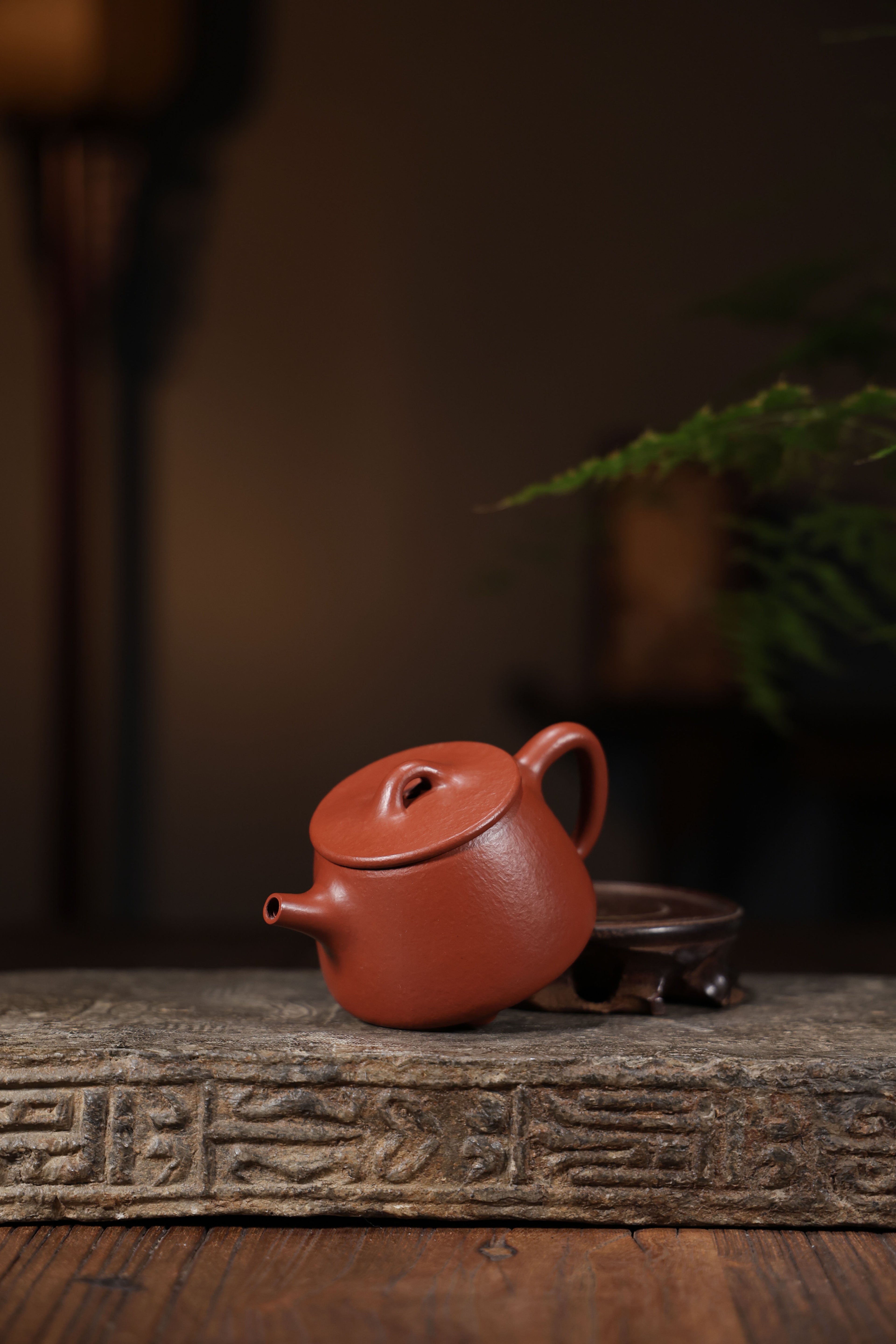
Amidst endless eras of heritage,
Following epochs, enthusiasts have been fascinated by the uncommon charm of Yixing Zisha teapots. Originating from the locality of Yixing in the nation of China, these pots are renowned for their remarkable beauty, limited clay, and innate ability to raise the palate of the steeping. The clay's distinctive purple-red hue, combined with the artistic handiwork of regional craftsmen, creates pieces that are equally functional crafts and coveted properties. Possessing a Zisha teapot is more than just certain purchase; it's seizing a rich ancestral heritage.
Investigating Yixing Teapots: Ancestry, Styles, and Price
Celebrated Yixing teapots manifest a vast record deeply intertwined with Chinese culture. Deriving in the Yixing region of Jiangsu province, these clay vessels contain a heritage connecting back to the Ming Dynasty. Preceding examples were functional, but throughout centuries, Yixing teapot craftsmanship evolved into an esteemed art form. The clay itself, known for its unique porosity and ability to refine the flavor of the tea, lasts a defining factor. Yixing teapots emerge in various types, broadly Zisha Teapot categorized by shape: Timeless such as Zhuni (purple clay) and Bisheng, as well as unique designs. The value of a Yixing teapot centers on several factors, including the potter’s distinction, the age of the piece, the rarity of the clay, and its aesthetic charm.- Background: Early periods
- Clay: Several sorts
- Cost Determinants: Craftsman's renown
Zisha Teapot Mastery: Craft and Artisans
One crafting of a bona fide Zisha teapot is a complex process, requiring periods of mastery. Veteran artisans meticulously pick the purest Zisha clay, a exceptional earth found only in specific regions of China. Conventional techniques, often passed down through families, involve careful shaping, sensitive carving, and methodical firing in ancient furnaces. The end teapot isn't merely a receptacle; it's a testament to design vision and the intense connection between the potter and their inheritance. Each teapot showcases the specific touch of the potter, resulting in a truly rare work of expression.
Eastern Earthenware: Exploring the Extensive Traditions of Yixing Province
This Yixing, found in Jiangsu the province of Jiangsu, is extensively renowned for its exceptional clay pots – a tangible representation of centuries of Chinese tradition. These aren't merely vessels for brewing tea; they are intricate works of mastery, often reflecting traditional ideals. Yixing's unique purple clay, known as Zisha, possesses notable qualities: it dense, absorbent, and imparts a subtle tone to the tea.
- Numerous ancestries have honed the techniques of Yixing teapot making, passing down preserved methods through epochs.
- Collectors prize these pieces for their appearance and exceptionality.
- Each container tells a account, connecting the partaker to a rich history.
Entering Yixing Zisha: Key Considerations
During analyzing procuring Yixing Zisha teapots, various criteria expect careful assessment. Firstly, the material's shade is key; authentic Zisha conventionally exhibits a pronounced reddish-brown shading. In addition, scrutinize the skill; meticulous elements and a flawless veneer manifest competent workmanship. Finally, investigate the potter's background; esteemed names bring increased premiums and often guarantee a better appreciation.
Zisha Pot Techniques for Tea Brewing
Infusing savory tea with a Zisha urn is more beyond a simple procedure; it's an discipline. Zisha clay, known for its unique earthen composition, imparts a subtle character to the made tea that’s often deficient with other utensils. The ideal water degree is crucial; typically, lower than what's used for black tea, to protect the tea's essence and quality. Consider meticulously the tea selection; delicate green teas or aged pu-erhs benefit from the Zisha’s ability to reduce their primitive edge. It’s essential to cleanse the teapot prior to brewing, and to neglect over-steeping. Mastering this craft leads to a sincerely exceptional tea enjoyment.
- Understanding Zisha Clay
- Temperature Control & Tea Category
- Criticality of Initial Heating
Preserving Your Yixing Earthenware
So as to guarantee the persistence of your valuable Yixing teapot, systematic preservation is absolutely mandatory. Refrain from using soap; instead, carefully wash it with mildly heated moisture. Avoid immediate fluctuations; don't deposit the vessel directly onto a thermally active platform. Periodically, develop the kettle by brewing it with top-notch puerh liquid, as this helps to increase its character and shields the unique features of the clay.
About Element to Mug: The Transition of a Purple Vessel
The creation of a Zisha teapot is a noteworthy mechanism, a expression to both the ecosystem’s bounty and the artistry of the fabricator. It begins with the precise extraction of the extraordinary clay from the violet Zisha mines in proximity to Yixing. This prime material, known for its superior traits, is then measuredly refined and formed for the beginning forming. The pot's configuration is professionally crafted using a union of heritage manipulating approaches, often incorporating elaborate decorations. Following seasoning, the pot undergoes a crucial first firing, joined by a polishing stage, which might involve multiple layers of organic Zisha layers. Finally, a second, and sometimes third, firing at strong temperatures solidifies the composition, revealing its final beauty and wonderful characteristics - a authentic masterpiece, set to beautify a tea tradition.
{Yixing Teapots: A Exemplar of a Culture and Admiration
Renowned Yixing teapots, originating from the well-known Yixing region of Jiangsu province, are far more than mere wares for brewing elixirs; they represent a meaningful aspect of Chinese civilization. Fabricated from distinctive purple clay – zisha – these distinctive teapots are highly appreciated for their ability to amplify the flavor of the tea and, crucially, for their splendor. The annals of Yixing teapot making spans centuries, and the mastery involved is transmitted through generations, making each teapot a artistic creation that embodies lasting techniques and a profound appreciation for the elegant pleasures in life.