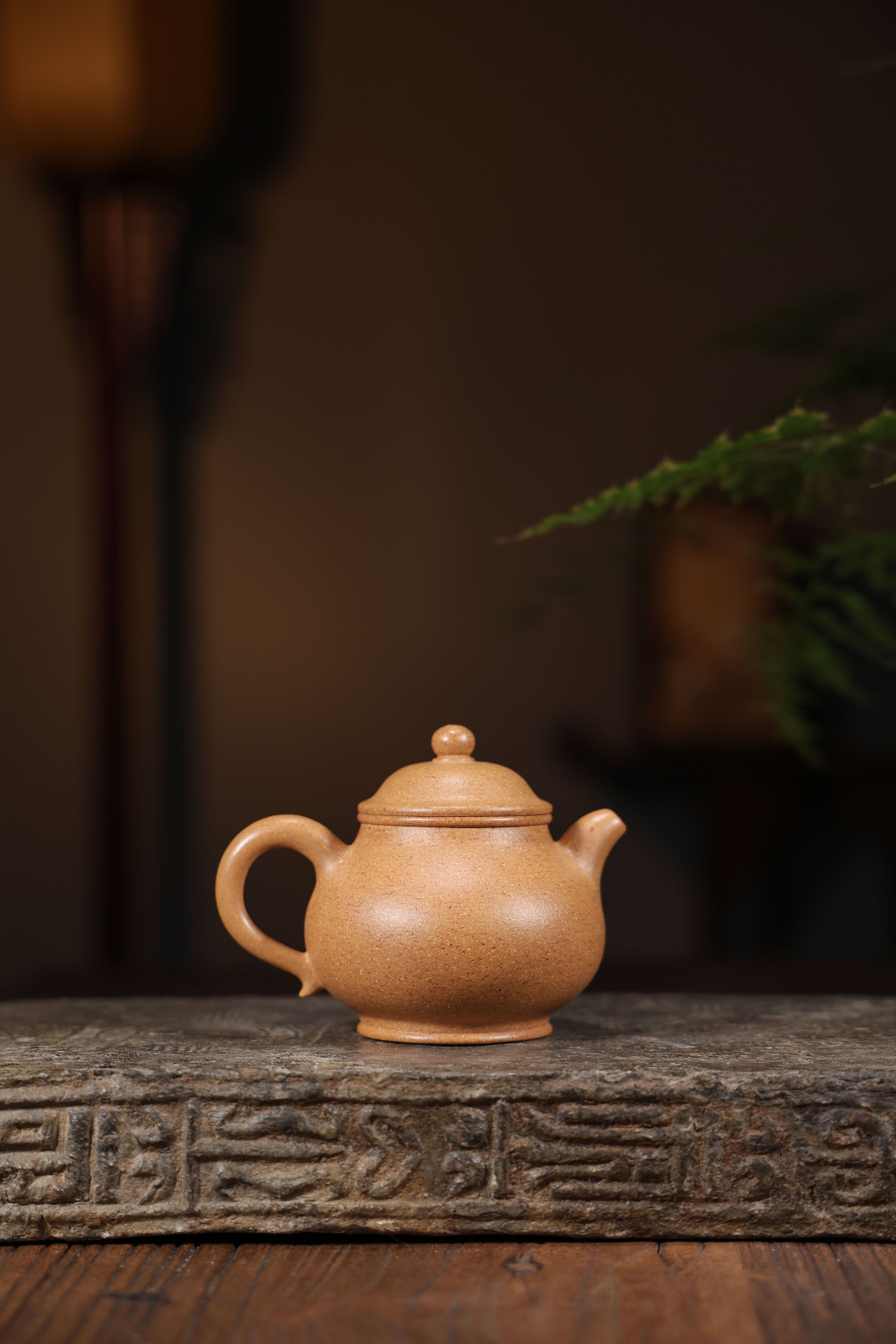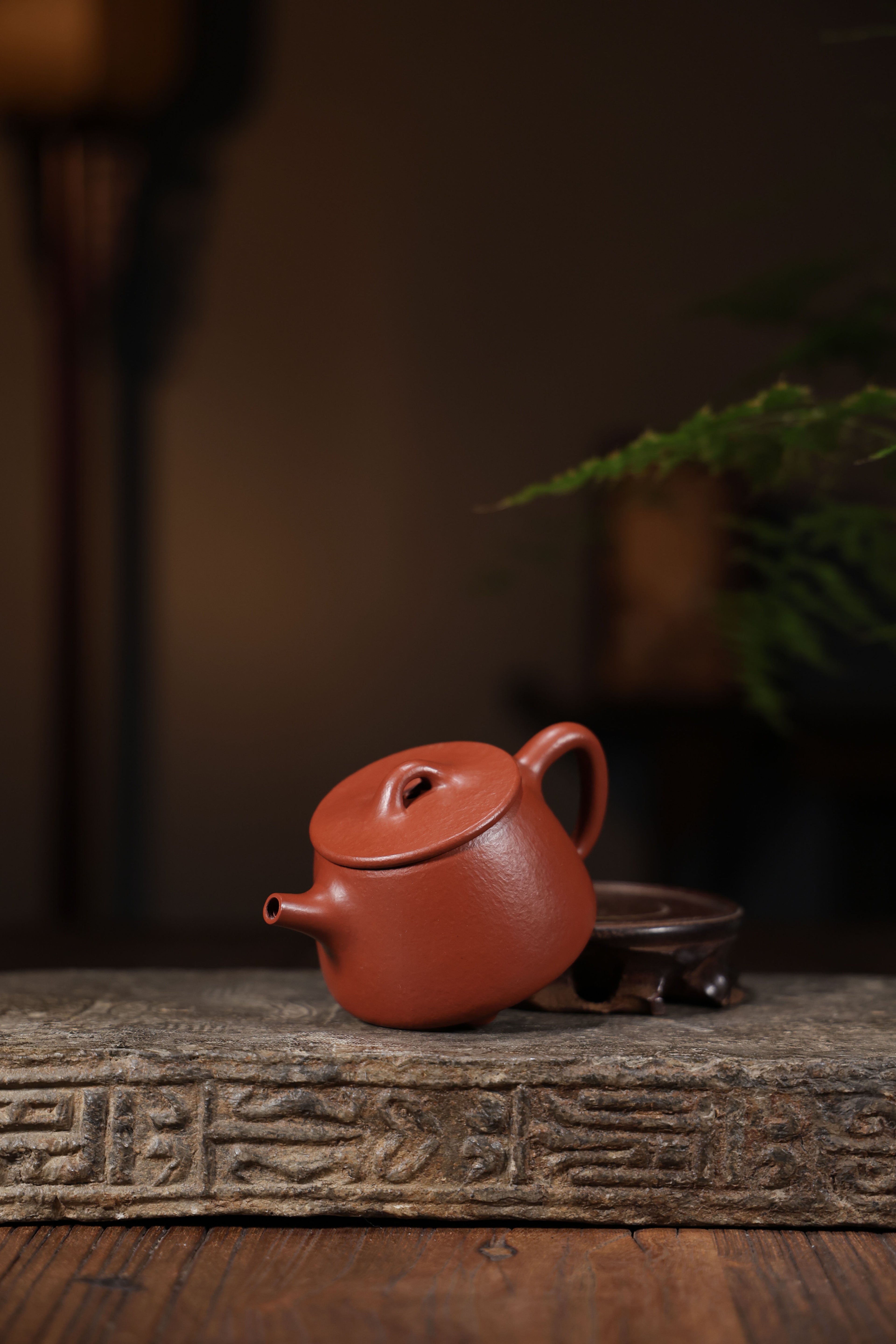
Across age-old chronicles,
Over centuries, admirers have been mesmerized by the one-of-a-kind charm of Yixing Zisha pitchers. Originating from the region of Yixing in the region of Jiangsu, these containers are renowned for their exceptional beauty, scarce clay, and natural ability to boost the palate of the concoction. The substratum's distinctive purple-red hue, combined with the artistic handiwork of native craftsmen, creates products that are concurrently functional masterpieces and coveted endowments. Obtaining a Zisha teapot is more than just a purchase; it's embracing a rich cultural heritage.
Understanding Yixing Teapots: Background, Classifications, and Worth
The renowned Yixing teapots stand as a deep heritage deeply intertwined with Chinese culture. Deriving in the Yixing region of Jiangsu province, these clay vessels hold a heritage going back to the Ming Dynasty. Original examples were functional, but during centuries, Yixing teapot production evolved into an esteemed art form. The clay itself, known for its unique texture and ability to improve the flavor of the tea, continues a defining factor. Yixing teapots exist in various styles, broadly categorized by shape: Timeless such as Zhuni (purple clay) and Bisheng, as well as unique designs. The worth of a Yixing teapot centers on several factors, including the potter’s distinction, the age of the piece, the rarity of the clay, and its aesthetic charm.- Record: Old ages
- Earth: Multiple varieties
- Pricing Criteria: Artisan fame
Zisha Pot Creation: Strategies and Potters
One crafting of a genuine Zisha teapot is a complicated process, requiring extensive times of knowledge. Accomplished artisans meticulously pick the purest Zisha clay, a singular earth found only in specific regions of China. Conventional techniques, often inherited through families, involve rigorous shaping, gentle carving, and slow firing in ancient calcining chambers. The ultimate teapot isn't merely a vessel; it's a testament to inventive vision and the profound connection between the fabricator and their roots. Each artifact showcases the distinctive touch of the maker, resulting in a truly incomparable work of craft.
Classical Ceramics: Surveying the Abundant Inheritances of the Yixing Locality
Yixing, placed in Jiangsu Province, is worldwide renowned for its exceptional teapots – a tangible representation of centuries of Chinese tradition. These aren't merely vessels for processing tea; they are intricate works of mastery, often reflecting traditional ideals. Yixing's unique purple clay, known as Zisha, possesses notable qualities: it dense, absorbent, and imparts a subtle tone to the tea.
- Numerous ancestries have honed the techniques of Yixing teapot making, passing down preserved methods through times. Purple Clay Teapot
- Enthusiasts prize these pieces for their loveliness and rareness.
- Every object tells a chronicle, connecting the user to a rich heritage.
Acquiring Yixing Zisha: Guiding Points
Considering considering buying Yixing Zisha clayware, numerous points demand careful evaluation. First of all, the substance's complexion is significant; authentic Zisha generally exhibits a particular carmine depth. Also, scrutinize the skill; meticulous traits and a clean veneer indicate talented creation. Ultimately, review the craftsman's standing; well-known names earn enhanced fees and often grant a promising profit.
Artisan Techniques for Brewing Tea in Zisha Pots
Crafting tasty tea with a Zisha container is more above a simple method; it's an discipline. Zisha clay, celebrated for its unique earthen composition, imparts a subtle character to the finished tea that’s often wanting with other implements. The suitable water intensity is vital; typically, softer than what's used for black tea, to keep the tea's scent and taste. Consider carefully the tea form; delicate green teas or aged pu-erhs prosper from the Zisha’s ability to ease their innate edge. It’s necessary to warm the teapot earlier than brewing, and to shun over-steeping. Mastering this skill leads to a authentically exceptional tea experience.
- Recognizing Zisha Clay
- Temperature Control & Tea Category
- Criticality of Initial Heating
Preserving Your The Ceramic Pot
With the aim of prolong the longevity of your esteemed Yixing kettle, regular care is critically essential. Eschew using soapsuds; instead, delicately bathe it with tepid water. Escape drastic transitions; don't situate the container directly onto a hot foundation. Periodically, condition the urn by infusing it with choice aged steep, as this aids to develop its essence and protects the singular qualities of the medium.
From Earth to Cup: The Progression of a Classic Container
A creation of a Zisha teapot is a intriguing system, a demonstration to both the planet's bounty and the skill of the craftsman. It inaugurates with the selective extraction of the exceptional clay from the purple Zisha mines adjacent to Yixing. This pristine material, known for its outstanding traits, is then measuredly purified and formed for the beginning forming. The vessel’s figure is precisely made using a fusion of longstanding wheel throwing processes, often incorporating decorative designs. Following settling, the jar undergoes a indispensable first firing, followed by a coating stage, which might involve numerous layers of authentic Zisha paints. Finally, a second, and sometimes third, firing at high temperatures perfects the artifact, revealing its perfected beauty and magnificent characteristics - a honest masterpiece, ready to enrich a tea event.
{Yixing Teapots: A Sign of the Way of Life and Valuation
Yixing teapots, originating from the famed Yixing region of Jiangsu province, are far more than mere pots for brewing infusions; they represent a important aspect of Chinese traditions. Produced from distinctive purple clay – zisha – these uncommon teapots are highly esteemed for their ability to refine the flavor of the tea and, crucially, for their elegance. The chronicle of Yixing teapot making spans centuries, and the technique involved is entrusted through generations, making each teapot a cultural artifact that embodies lasting techniques and a profound appreciation for the pure pleasures in life.