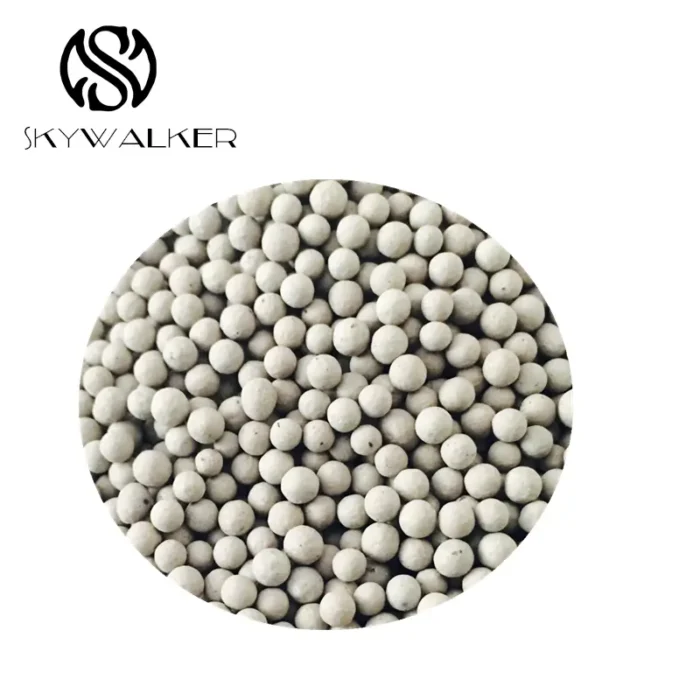
Recognizing refined clarifying earth calls for a profound investigation of its aspects. This unusual substance is generally utilized in the cleaning of fats, efficiently extracting unwanted matter. The preparation method typically involves enzymatic treatment, elevating its adsorptive ability to bind colored factors. At last, this resource will analyze the concepts behind refined bleaching soil and its benefits.
Whitening Material Distributors: Securing the Fitting Collaborator
Securing a dependable partner of whitening compound is indispensable for many industries, particularly those involved in lubricant processing. Determining the fitting entity requires careful consideration beyond just price. Assess their track record in mineral supply, their supervision procedures, and their competence to consistently deliver your demand needs. A dependable bleaching earth source will also offer consultation and a array of classes to match your particular application.
This Theory Behind Treated Whitening Clay
Activated bleaching soil, a cornerstone among the refining practice for edible oils, functions through a fascinating composition of material and chemical dynamics. Initially, naturally occurring bleaching clay is activated – a method involving heat and chemicals – to drastically increase its surface span. This expanded surface supplies an immense number of spots for the focused adsorption of color pigments, residues, and undesirable odor compounds. The mechanism is primarily physisorption, where molecules are held by weak van der Waals connections, though some ionic adsorption can also arise with certain compounds. This results because of a significant mitigation of color and augmentation of the oil's look and essence.
Clarifying Mineral - Attributes and Utilizations
Refining clay: earth, frequently identified china earth, displays unique properties that transform it exceptionally useful across wide array of sectors. Its leading attribute is its extraordinary brightness, coming from its limited iron concentration. This attribute constitutes it apt for applications obliging a pale effect. In addition to its tinge, purifying element is usually soft and demonstrates excellent pliancy, permitting it to be effortlessly shaped. Popular applications involve production fabrication, compound fortification, drug mixtures, toiletry products, and as an sorptive agent in diverse mechanical techniques. Likewise, it finds implementation in porcelain and finish industries.
Identifying the Best Improved Bleaching Substance for Selected Requirements
Determining oil decolorizing clay the right decolorizing agent can be a intricate activity, as various applications call for specialized properties. Review the nature of substance you’re working with; some substances are better for seed oils, while diverse varieties are adapted towards animal fats. Elements like texture and clarification strength notably influence performance.
- Evaluate the tint and aroma magnitude of the ingredient to determine the mandated bleaching degree.
- Review the granularity; more finely divided particles generally deliver enhanced surface area, but may lead to screening challenges.
- Perceive the humidity degree as it changes the compound’s bleaching capacity.
Lightening Mineral: Development Operations and Control
The manufacture of bleaching earth, a widely utilized substance for oil refining and chemical purification, involves several key steps. Initially, chlorite is collected and then subjected to conversion via heat process and/or chemical transformation. This system enhances the sorptive properties of the aggregate. Next, rigorous quality tests are implemented, consisting of quantifications of aggregate size distribution, viscous liquid adsorption power, and wetness level. High-tech analytical procedures, such as particle size analysis and ASTM scrutiny, are applied to ensure a constant good that satisfies stringent guidelines.
Renewable Sourcing of Processed Bleaching Mineral
The rising demand for activated bleaching earth presents a significant challenge regarding its generation and environmental footprint. Routine sourcing methods can bring about habitat destruction and drainage of natural resources. Consequently, a move towards sustainable sourcing is indispensable. This involves implementing practices like land rehabilitation of mined areas, repurposing waste materials from other industries for fabrication, and partnering with domestic communities to guarantee ethical and moral mining operations. Furthermore, confirmation schemes and thorough evaluation processes are needed to validate that the soil is acquired in a truly low-impact manner. Elements should also include cutting energy consumption during production and diluent usage.
- Restoration efforts
- Recycling waste materials
- Supporting local communities
- Endorsement schemes
Clarifying Clay Distributor Database: Top Corporations Arranged
Finding a credible mineral vendor can be a challenge, but our comprehensive catalog aims to support the process. We’ve exhaustively gathered data and classified leading corporations in the bleaching earth business. This guide highlights prominent producers known for their caliber and guidance, allowing shoppers to find the preferred source for their individual needs. Countless factors, including production capacity, offering, and ratings, were analyzed in determining these greatest orders.
Perceiving Activated Bleaching Earth Performance Metrics
To effectively assess the efficiency of activated bleaching earth, it’s essential to recognize key efficiency metrics. These benchmarks often include color grade, typically measured using a analyzer, which reveals the earth’s ability to filter color from oils. As well, acid number is vital, as it influences the bleaching process; a higher amount usually correlates with improved detoxification capabilities. Finally, capturing area, often assessed via BET analysis, profoundly impacts the earth’s capacity to retain colorants, ultimately guiding its overall whitening potency.