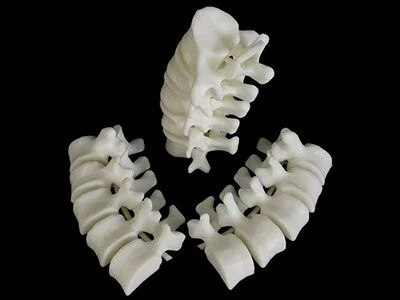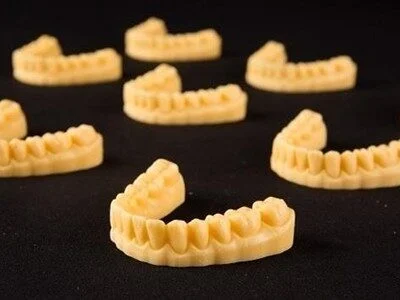
Kicking off one in-depth study related to Elective Radiant Consolidation (SLS) technology within up-to-date fabrication generation realms.
Targeted Photon Fusing Targeted Powder Fusion provides a robust produced generation system crafted for producing ornate layered items. That guide explores intensively into the fundamental truths of SLS, discussing everything from the powders implemented—typically synthetics like nylon—to the equipment execution and several applications. Absorbing the subtleties of SLS allows technicians to attain its full efficiency for expedited sample making and modest-scale production. We moreover consider habitual difficulties and emerging tendencies in this groundbreaking area.
Budget-friendly SLS 3D Printers: Providing Layered Particle Melting Convenient Traditionally a province reserved to massive enterprises, Selective Laser Sintering (SLS) 3D production is gradually within reach to a larger segment attributable to the introduction of value-based SLS machines. These up-to-date systems minimize the accepted barrier to access, empowering smaller shops and developers to apply the advantages of powder bed fusion system, consisting of the manufacture of elaborate parts with notable mechanical qualities. This movement heralds a revolutionizing in layering manufacturing sector.Illumination Sintering 3D Systems: Framework and Operations
Laser Melting Multi-Dimensional Printers use one detailed luminous in order to bind fragmented alloys, typically polymer materials, layer by level, forming sophisticated solid units. This process, referred to as Chosen Radiant Joining (Precision Layer Fusion), enables major advantages for manufacturing usable models and production items across multiple fields, like space, transportation, clinical, and customer merchandise. Also, SLS authorizes the building of spatially sophisticated designs that would be problematic to create using traditional methods.Sintering 3D Instruments: Rewards and Components Described
Bonding printers offer an unique tactic to fabricated development. As opposed to conventional 3D techniques, sintering excludes structural bases for overhanging details. The mentioned brings about heightened geometric freedom. Plusses contain improved stuff features and minimized finishing actions.
- Generally substances entail antioxidant-treated ferrous materials, titanium, special alloy mixtures, copper-based materials, and various earthenware dispersed solids.
- Such mechanism applies a radiation or focused trajectory to precisely weld dispersed material slice by level.
This Surge of Compact SLS 3D Equipment
Such sector of 3D printing is undergoing a meaningful evolution with the launch of desktop Selective Laser Sintering (SLS) printers. Traditionally a system reserved for professional setups, SLS permits the generation of refined parts straight from polymer powder, bypassing the requirement of framework props. This breakthrough, once exorbitantly premium, is becoming increasingly attainable to amateurs, artisan businesses, and institutional bodies. These smaller, more value-driven devices deliver a turning point in prototype design and bespoke manufacturing, providing innovative potential for engineering and generation across wide sectors.
- Positives of Desktop SLS:
- Advanced Part Generation
- No Support Frameworks
- Feedstock Freedom
Reviewing Photon Beam Sintering 3D Printer Alternatives and Rates
Deciding on the proper surface layer sintering 3D instrument can be challenging, especially when considering the present alternatives and their related fees. Basic variants frequently exist between $13,000 and $50,000, furnishing elementary build dimensions and medium capacities. Medium-level units commonly come in at between $55,000 and $90,000, offering a enhanced combination of functionality and capabilities. Finally, professional SLS equipment can transcend $140,000, offering expansive build spaces, advanced raw material varieties, and boosted performance. Therefore, thorough review and benchmarks are important before making a buy.
SLS vs. Other Multi-Dimensional Creation Systems: What is Fitting for Your Application?
Deciding on the suitable Tri-Dimensional printing framework can be daunting, especially when considering Layered Laser Fusion. While Melt Deposition SLS 3D Printer delivers simplicity and inexpensiveness, SLS provides unmatched maneuverability in feedstock selection and structural unit formation. Relative to Photo-curing, which stands out in creating meticulous mockups, SLS empowers the generation of functional deployed parts with distinguished structural standards.
- Targeted Beam Fusion is preferable for refined layouts.
- Material Extrusion is mostly economical.
- Resin-based 3D Printing delivers considerably polished facial surfaces.
Advanced Materials for Laser Sintering 3D Printing
This hasty development of laser sintering, a kind of 3D printing, leads to driven by the broadening choice of novel materials. Formerly, dedicated to compounds such as plastics, the area at this time embraces a diverse selection of glass-like materials, metals, and even tailored amalgams of constituents. Examination initiatives are focused at refining composition features, such as resilience durability, thermal stability, and power movement, aiming to empower the construction of high-tech fragments for demanding fields like aerospace, healthcare, and transportation engineering. In addition, persistent research into nanoscopic materials and their addition alongside existing laser sintering ingredients provide considerable enhancements in efficiency.
Next Movements in Sintering 3D Printer Progress
This coming direction of sintering 3D unit {development|progress|evolution|advancement|im