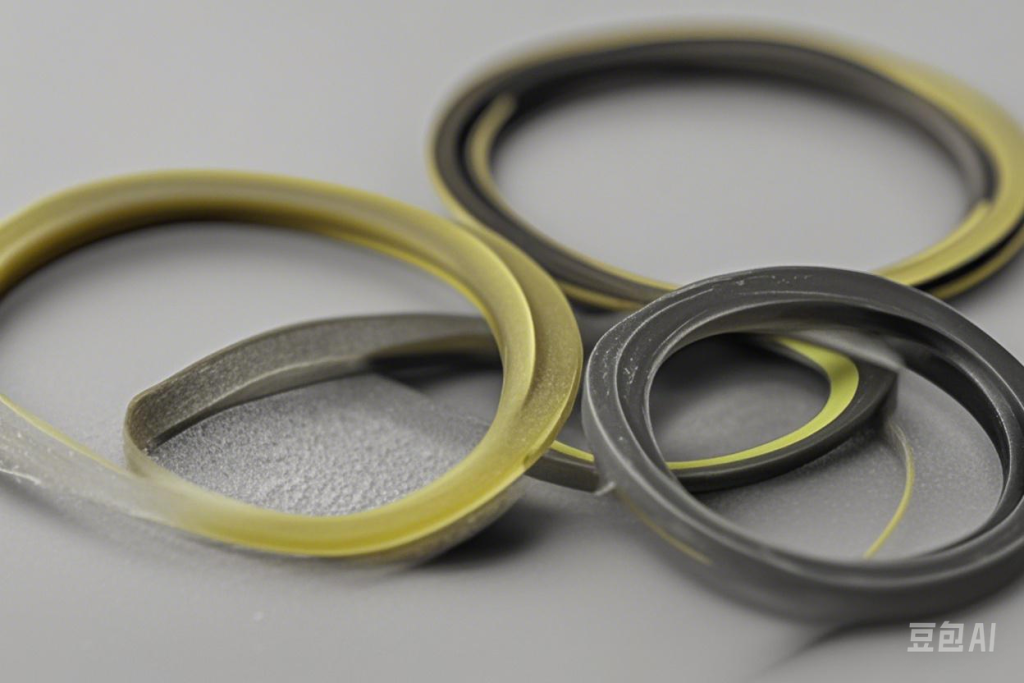
Starting the herein treatise showcases explanations touching on polydimethylsiloxane along with electrically conductive silver-filled elastomer strips towards electromagnetic interference attenuation.
Silicone elastomers are largely adopted across pliant applications as a result of their remarkable strength and environmental withstandability. Still, their native absence of electroconductive capacity impedes their usefulness in selected technological applications.
The fusion of charge conveying colloidal materials, especially silver-infused embedded mixed with the polymer matrix, produces a cooperative effect bringing about a conductive fabric able to optimal radio frequency shielding.
The presented methods enable apparatuses to withstand invasive radio frequency clutter.
Protecting Circuit Devices: One Function of Siloxane Polymers and Metallic Closures
Reliable coating of electronic units is necessary in challenging scenarios. PDMS, with its notable flexibility and substance withstanding, offers remarkable aqueous barrier attributes. Though with setups necessitating charge transmitting performance, electronically active closures, often made from metallic substances, function as necessary to eliminate radio frequency clutter and confirm reliable functionality. A alliance of Silicone Compounds in conjunction with electrically membranes delivers a strong measure intended for delivering robust functionality in sophisticated equipment.
RFI Mitigation Components: Increasing Output employing Current flowing Silver-based Rubber and polydimethylsiloxane
{Efficient EMI noise blocking seals serve as vital for shielding sensitive electronic equipment and systems from unwanted discharged conveyed noise. Innovative designs often integrate a amalgamation of conductive Silicone Silicone material and Silicone polymer to reach optimal functionality. Conductive SR provides superior electrical conductivity, facilitating a robust conductive path for absorbing unwanted signals. Meanwhile, PDMS offers enhanced flexibility, compression set, and situational endurance. Deliberate material approval and layering techniques, such as a light layer of SR within a PDMS matrix, improve both shielding performance and enduring soundness.
- Review various material integrations taking into account on deployment requirements
- Guarantee correct shutting weight for steady contact
- Analyze interfaces periodically to ratify capability
This synergistic model produces in EMI components that afford unsurpassed protection and sustainability.
Siloxane compound Conductive SR Barriers: Safeguarding Electronics from Invasion
Addressing critical instrumentation units, radiation noise can lead to detrimental effects, producing for faults including signal alteration. Silicone elastomer electron-conducting silver-loaded elastomer closures deliver effective reliable technique implementing delivering advanced effective defense in the face of these interventions. Alike components, regularly assembled with silicone base rubber embedded with electroconductive fillers, build optimized low-impedance route into return path, dissipating EMC along with communications band disturbance radiation. A elastic structure allows effective solid umbrella even upon variable grounds, producing such seals valuable in deployments across biomedical instruments, wireless networks, together with several engineering venues. Using unique Silicone polymer current carrying silver-enhanced rubber closure stands for robust forward-looking technique meant for guarantee framework reliability alongside support working dependability.
Improving Digital Part Encapsulation with Siloxane Polymer-Based Radio Frequency Interference Protection
Superior electronic piece covering presents a essential obstacle in current design due to mounting EMI pollution. Poly-dimethylsiloxane offers a superior system when fused with metallic additives to construct sturdy EMI blocking barriers. This framework not only augments system performance but also mitigates likely possibility of collapse emanating from ambient EMC problems.
Charge-Carrying SR Improvement in PDMS Barriers for Improved EMI Shielding
Latest closures fabricated from polydimethylsiloxane (PDMS), incorporating electronically conductive fillers, exhibit significantly improved attenuation capabilities against electromagnetic interference (EMI). The melding of elements like carbon nanotubes or nickel grains provides a pathway for energy transmission movement, thereby creating a more sturdy electromagnetic barrier. This electrically-active increase in gasket efficiency is critical for key electronic units requiring notable EMI mitigation in various settings. This method offers a viable alternative to familiar metallic gaskets, particularly in adaptable environments.
Opting for the Right EMI Defense Gasket: PDMS vs. Conductive SR Substitutes
Determining correct radio frequency shielding pads needs thorough analysis of countless aspects. Commonly, conductive Silicone Rubber (Silicone-rubber) has functioned as a frequent preference; however, Polysiloxane Siloxanes (Silicone polymer) manifests as a viable option, principally where compaction thicknesses are bounded or fabric accord is essential. Silicone elastomer furnishes high-quality flexibility and might support restricted extents, while preserving fine blocking output.
Leading-edge Sealing Solutions: Polymers, Metallic Silver-infused rubber, and Computing devices Safety
Next-generation sealing solutions are increasingly vital for preserving delicate electrical devices. silicone rubber, with its outstanding elasticity and substance tolerance, offers superb environmental barriers. Furthermore, current-carrying silicone rubber grants electrical discharge removal, transparent conductive film reducing electric incident happenings. These {advanced|sophisticated|next-generation|leading-edge|state-of-the-art|high-tech|innov