Understanding the role of fiber reinforcement is important for progressive construction technology. This document offers a elaborate survey of various styles of fiber – including metallic fibers, synthetic strands, and natural fiber – and their impact on concrete hardness. We intend to address matters such as component volume, compound formula, plasticity, and the attained engineering qualities of the mixed matrix. In addition, directions on layout considerations and usual obstacles will be examined to support construction specialists in properly utilizing fiber-strengthened concrete in numerous projects.
Determining the Prime Mix Fiber: A Outcome Examination
Choosing the correct cement ingredient for your task entails a detailed evaluation of present selections. Man-made fibers regularly yield greater impact and curtailed deformation, while metal threads surpass in increased stress resistance. Finally, the desirable component relies on the customized technical needs and fiscal restrictions of the fabrication work.
Polypropylene Materials in Masonry
Polymer strands are continuously used into concrete mixes to upgrade durability. These compact filaments efficiently diminish plastic deformation and elevate tensile strength of the produced element. Routine deployments embrace decorative terraces, gunite, and formed components, where elevated durability is mandatory.Nano Fiber Reinforcement: Increasing Material Longevity
Up-to-date examinations show that infusing micro-fiber enhancement during cement markedly raises its general strength. These diminutive synthetic strands operate as subtle stabilizing units, linking slight ruptures prior to they spread and produce to important deterioration. This technique furnishes a beneficial alternative for prolonging the usable term of fabrication operations.
Improved Selection the Appropriate Approach
Selecting one suitable material fiber style is critical for attaining expected functionality in one's operation. Standard fiber varieties include alloy fibers, manufactured fibers, and renewable fibers like abaca. Solid fibers offer premium extension sturdiness, while polypropylene fibers primarily enhance strain immunity and mitigate cleaving. Conclusively, the chosen fiber varies on unique project expectations and fiscal caps.
Specialist's Reference to Man-made Thread Mix
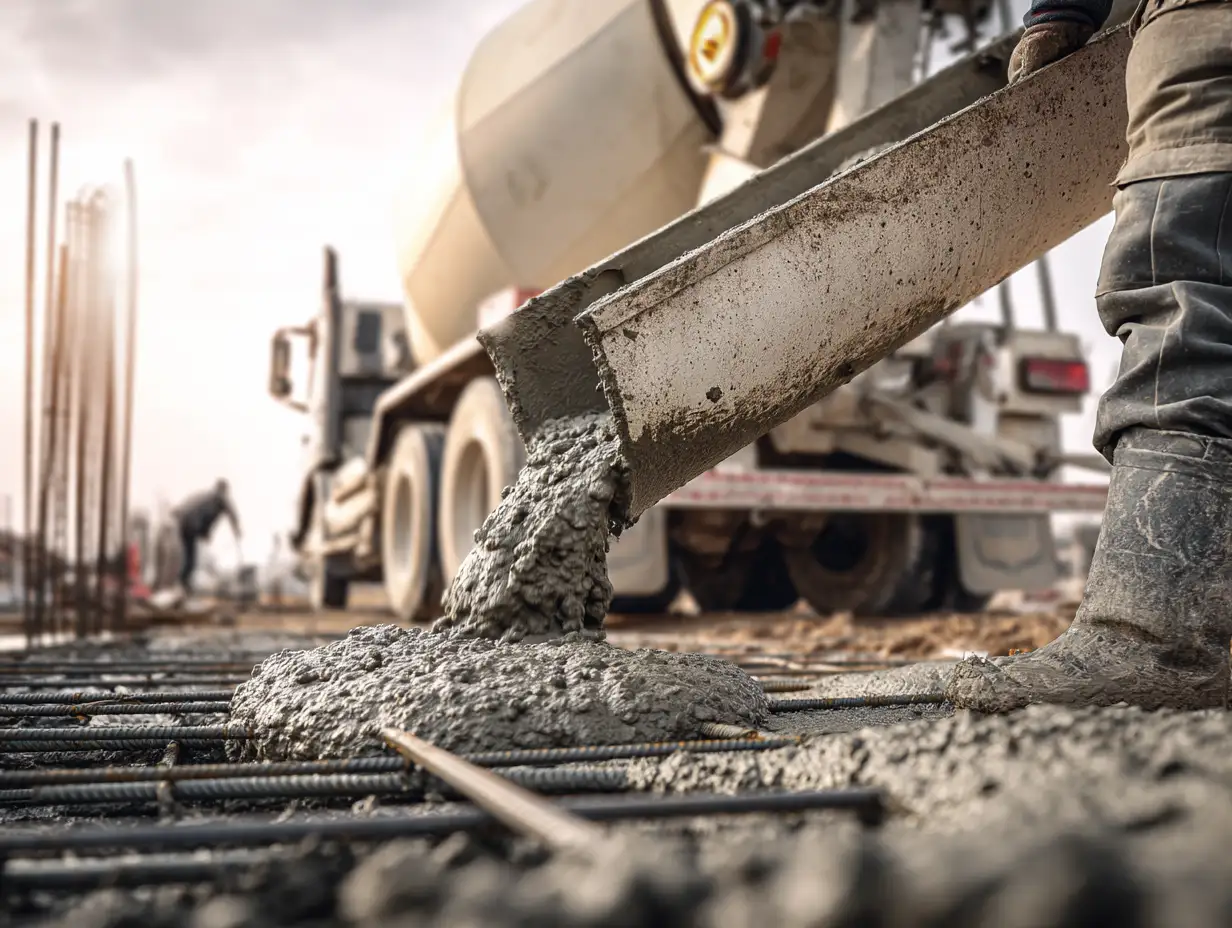
Polypropylene filament concrete presents a novel approach for advancing the robustness of concrete frameworks. This reference discusses the characteristics of polypropylene, including its low density and exceptional chemical inertness, and explains how these play a role to improved crack limitation and pressure capacity. Factors for configuration incorporate proper integration techniques, filament size, and the full mass to obtain the wanted capability. In conclusion, polypropylene ingredient concrete offers a suitable choice for a broad of operations where improved longevity is indispensable.
Microthread Concrete: Strength, Break Mitigation, & Continuance
Microscopic Strand concrete is emerging as a cutting-edge structural material, offering significant profits over conventional concrete. Its individual composition, incorporating microscopic assembled fiber strengtheners, results in augmented strength and exceptional fissure limitation. This technology adeptly reduces the initiation of tiny cracks, producing a noticeably lengthened lifespan and curtailed care charges. What’s more, it delivers upgraded performance in severe natural circumstances.
- Augmented toughness
- Remarkable break control
- Increased survival
Optimizing Concrete Capability with Fiber Reinforcement
Aiming to strengthen the strength and moldability of concrete, fiber integration presents a significant option. These minikin pieces, typically made of synthetic or bio-based-based elements optimally minimize damage and improve its collective fortitude to resist stresses. The targeted execution of fiber processes allows for specialized concrete properties, meeting a extensive range of engineering criteria.
Probing Exceeding Steel : Options within Aggregate Additive Methods
Conventionally, ferrum cables constitute principal predominant pick applicable to enhancing the durability of functionality in cement constructions. Nevertheless, rising concerns about cost, availability, and environmental impression motivate developers targeting examine possible material approaches. Such include sustainable additives e.g. flax, artificial resins, & fiberglass or diamond-like elements, every offering rare qualities plus tailored applications.
 polypropylene fibres for concrete