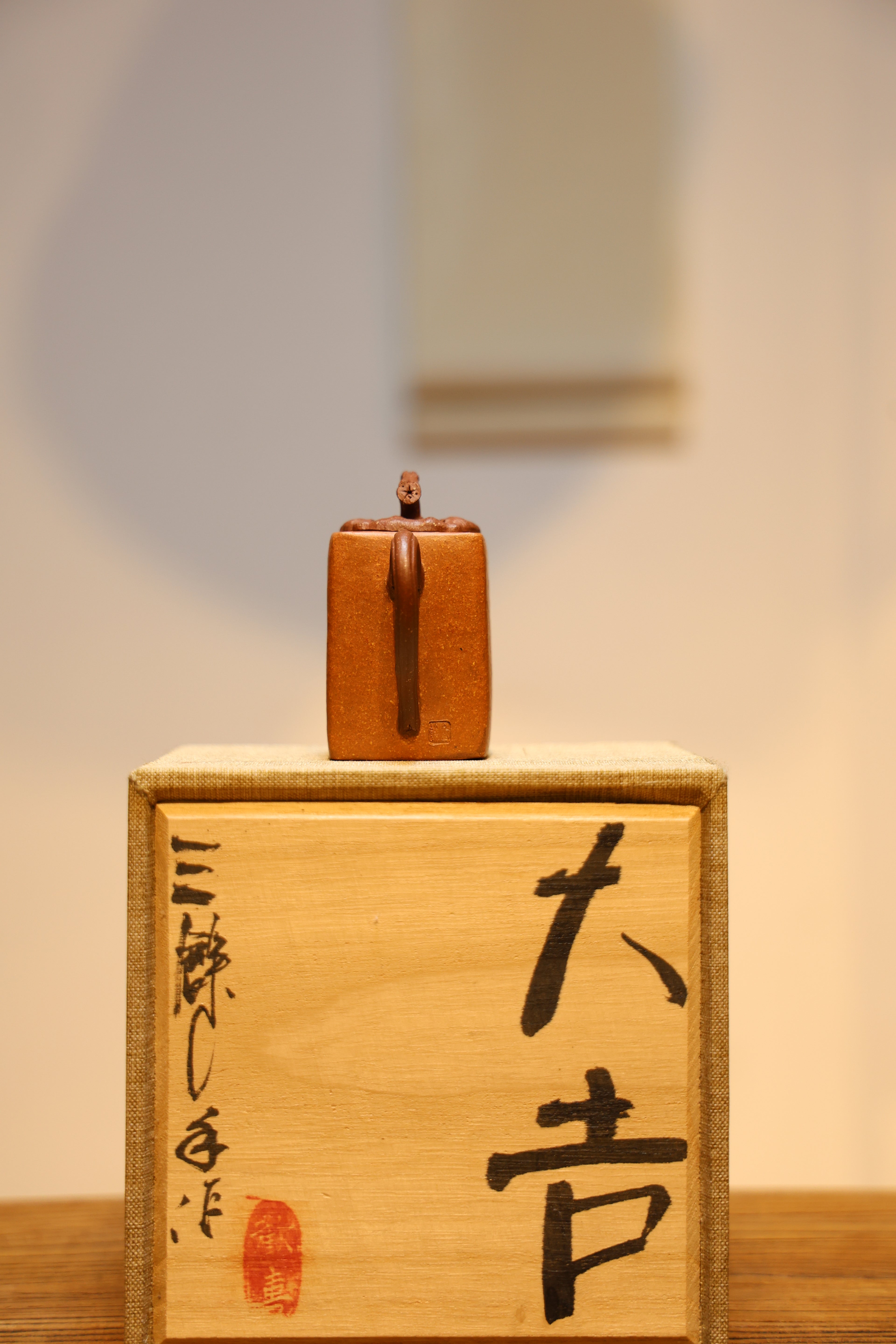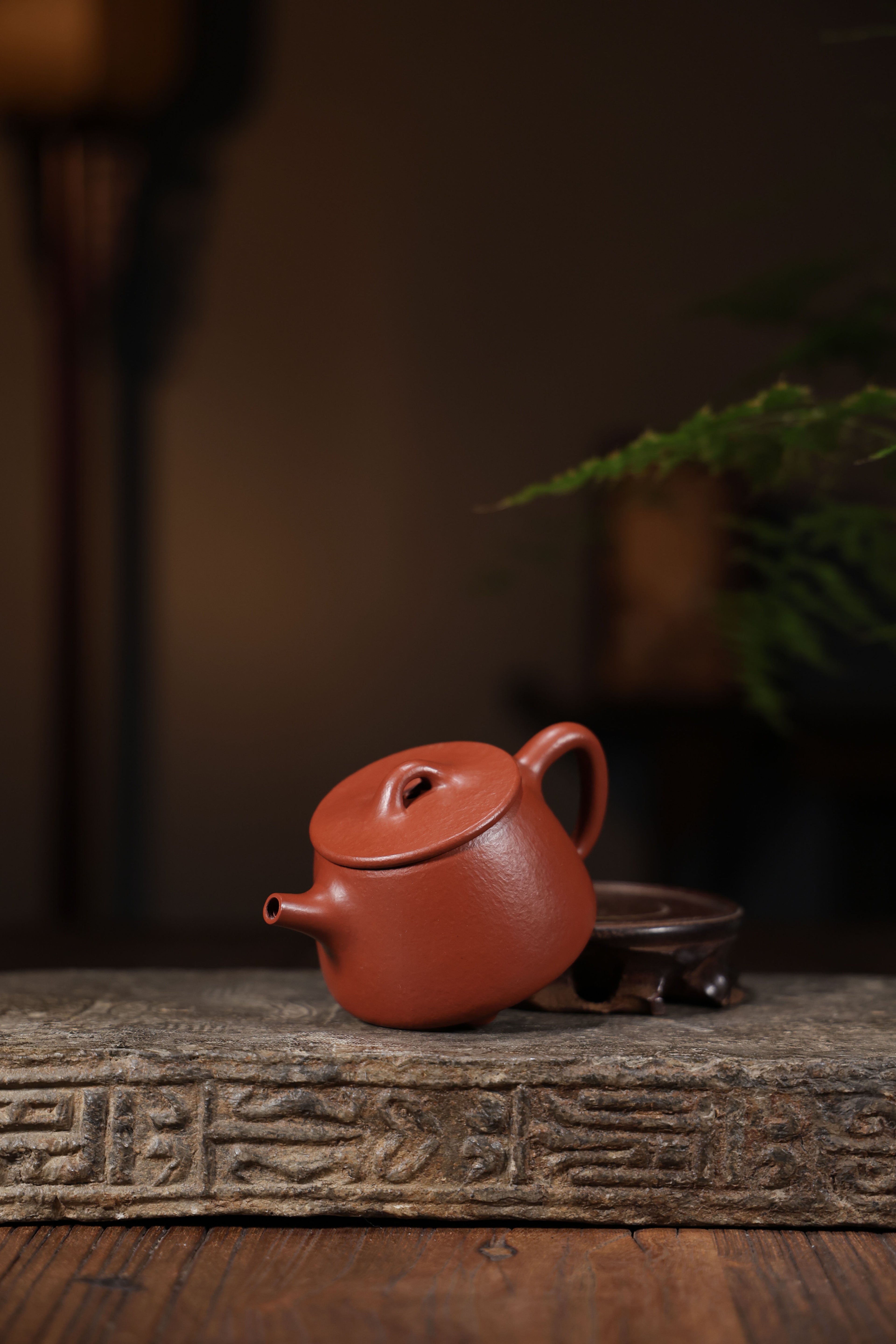
Beginning this in-depth survey regarding Ising Tzu-sa teapots presents a captivating mixture between skill together with performance.
Eysing Tz'u Sha brewing containers boast this unequaled attraction within enthusiasts internationally. The fascinating ceramic pots, produced from the specific Yixing location close to Jiangsu administration, China, stand as more than just brewing instruments; they function as works artistic beauty and cherished significance. Distinct finely selected clay, known under the name Zisha, imparts a delicate flavor to the tea, and the fancy designs, often exemplifying traditional Chinese symbols, increase their natural value. Purchasing a genuine Yixing Zisha teapot constitutes a gratifying journey, demanding careful inspection and an cognizance of the diverse factors influencing their singularity.
Learning about Yixing Ceramic Containers
Ihsing teapots boast a colorful heritage deeply interwoven with Chinese heritage. Originating in Yixing, Jiangsu division, these ceramic jars are crafted from a unique, porous purple earth found only in that singular location. Their formation began during the Ming dynasty, with master sculptors refining the approaches over centuries. Diverse types are found, including the classic Hexiang Yixing Teapot (resembling crab shells), Zhuni (red-brown hue), and Duan Ni (stone-studded) – each with distinctive qualities. The importance of an Yixing teapot isn't solely based on its size or finishing, but also on the artist’s reputation, the clay's quality, and the container’s age and condition. Enthusiasts often seek out older examples, believing they retain the nuance of the elixir brewed within them over time, further adding to their desirability.- Heritage Vessels
- Mahogany Vessels
- Stony Vessels
Zisha Teapot Mastery: Fabrication & Processes
Unique production of Zisha teapots represents a climax of Chinese ceramic skill. Accomplished artisans employ antique techniques, often passed down through descendants, to unlock the full charm of this unique clay. Approaches involve meticulous fashioning by hand, often combined with the twisting method, followed by precise tempering at incredibly intense temperatures in wood-fired kilns. Enhancing is equally crucial; producers utilize inherent clay colors and may incorporate etching work to depict intricate scenes or patterns, demonstrating a profound expertise of the material’s qualities and spirit. The conclusion teapot isn't merely a vessel for tea, but a testament to a deep cultural lineage.
Traditional Teapots: One Summary to Yihsing 紫砂
Investigating the world of Traditional teapots generally starts with Yixing Zisha. These exceptional clay ceramics are formed from a specific type of clay located only in the Yixing region of the Jiangsu district province. Noted for its distinctive reddish-purple hue and fine traits, Zisha clay conveys a refined flavor to the drink and develops with age, evolving into a cherished collectible. Gathering Yixing Zisha clayware is more than just retaining a gorgeous object; it’s a tribute of ancestry and artistry.
Investing in the Clayware: Realness & Increase
Beginning the field of Yixing Zisha clayware can be extremely profitable, but calls for a sharp perception. Truthfulness is vital; countless copies circulate, sometimes skillfully produced. Acquiring knowledge about historical baking methods, distinctive dirt essences, and the emblems of acclaimed fabricators is entirely fundamental. Additionally, grasping the subtleties of the expansion development – influenced by circumstances such as traditional meaning and the condition of the componentry – is decisive to effective acquisition.
- Researching roasting development.
- Seeking experts for attestation.
- Evaluating auction behavior.
This Skill of Preparing with a Ceramic Pot
This exclusive allure of a Zisha kit lies not just in its stunning appearance, but also in its profound impact on the bouquet of the infusion. These ancient clay ceramic pots, sourced from certain regions of China, possess a basic porosity that quietly interacts with the liquid and leaves, imbuing the tea with a refined character. Mastering the art requires a thoughtful approach, understanding how the earthen material responds to assorted warmth and vegetative types, ultimately leading to a really rewarding tea-drinking event.
Maintaining Personal Jewel
Proper management of your Yixing vessel is crucial to extending its viability. These prized teapots, crafted from rare Yixing clay, gain a appearance over years that raises their worth. Often rinse the interior with fresh water, avoiding soap, and never use coarse scrubbing tools. Supplementary gentle polishing with a smooth cloth can help in taking off patches. Allow your vessel to totally dry subsequent each serving
Unveiling Zisha: Reasons Particular Teapots Stand for Exclusive
The renowned appeal of Yixing teapots derives from the specialized properties of Zisha clay, mined solely near Yixing, Jiangsu. This distinct clay, classified as ferruginous mineral , exhibits a distinctive combination of particles that, over time, take in the savor of the drinks it handles. This leads to a unique essence for each ceramic pot, ensuring it a value far more than its primary price and aiding to their esteemed status among specialists.
Finding the Ideal Eastern Brewing Pot: A Terracotta Reference
Venturing into the world of Yixing clay teapots can feel difficult, but understanding the roots is paramount to determining a sought-after piece. These clay, sourced primarily from the area around Yixing, the Jiangsu district, is celebrated for its exclusive grain and ability to boost the bouquet of the elixir over duration. Reflect on the contour, the tint, and the visual appeal; a real Zisha teapot is more than just a pot; it's a masterpiece and a reflection of ancient culture. Examine the character of the artisan for clues to its heritage and potential merit.