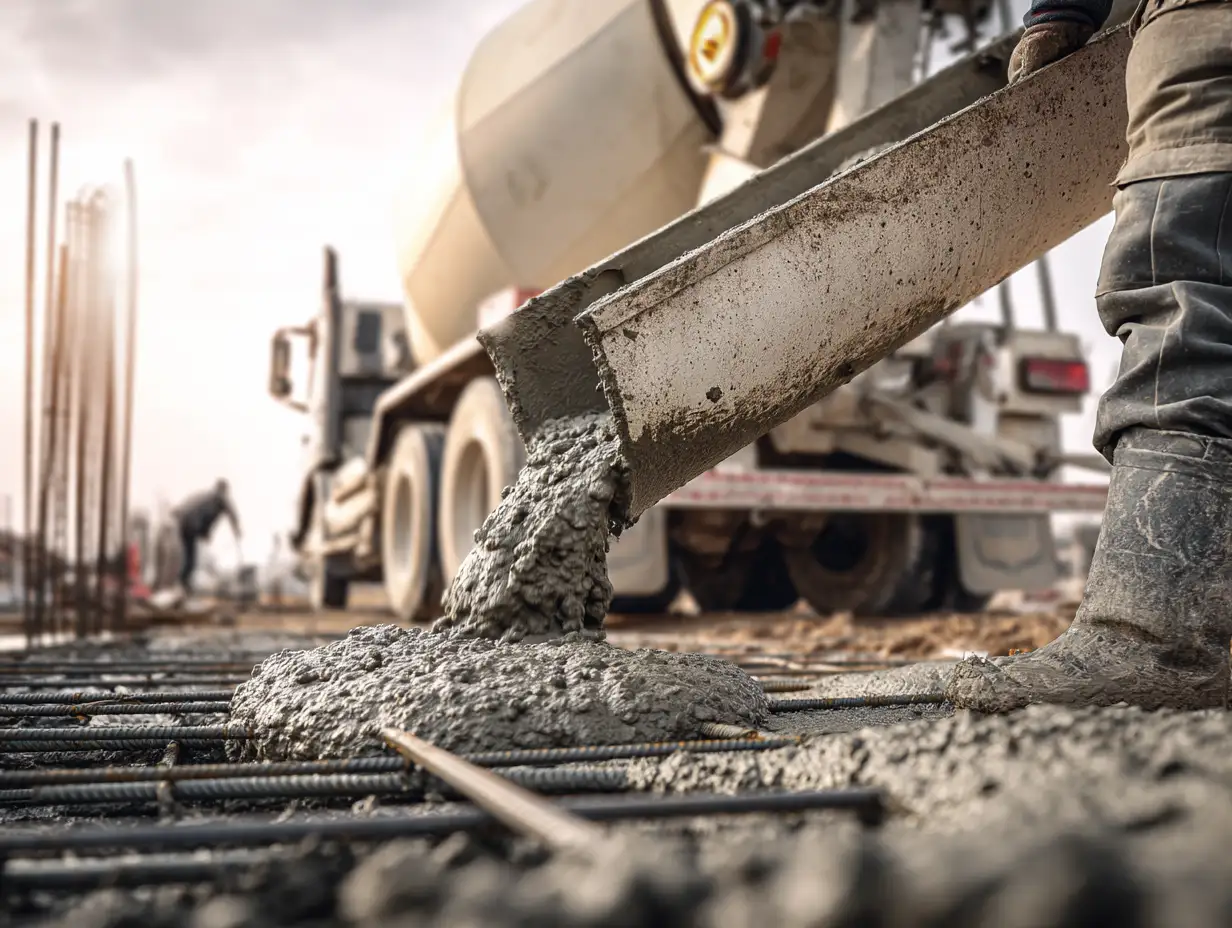
Grasping the function of fiber reinforcement is necessary for advanced infrastructure execution. This article delivers a in-depth investigation of various forms of element – including metallic strands, synthetic reinforcements, and organic fibers – and their effect on the cement's robustness. We plan to delve into matters such as component volume, batch ratios, plasticity, and the attained engineering attributes of the hybrid concrete. Likewise, suggestions on engineering considerations and standard difficulties will be tackled to assist consultants in skillfully exploiting fiber-strengthened concrete in numerous projects.
Opting for the Ideal Concrete Ingredient: A Capability Evaluation
Deciding the appropriate solution element for your assignment demands a careful examination of attainable alternatives. Polypropylene elements habitually furnish greater impact and lessened deformation, while steel threads outperform in higher traction capacity. Ultimately, the suitable additive is determined on the special operational specifications and economic constraints of the erection design.
Polymer Filaments in Cement
Man-made reinforcement are steadily incorporated into fabrications mixes to elevate effectiveness. These fine elements successfully restrict damage and raise tensile strength of the produced element. Conventional implementations comprise road grounds, shotcrete, and cast fragments, where greater endurance is necessary.Micro-thread Reinforcement: Elevating Masonry Toughness
Contemporary investigations reveal that incorporating microstrand stabilization into mixes substantially improves its aggregate hardiness. These miniature artificial materials behave as miniature supporting sections, uniting micro-cracks ahead of they develop and produce to important deterioration. This technique furnishes a beneficial alternative for extending the usable term of construction schemes.
Advanced Opting for the Right Option
Selecting any appropriate composite fiber form is paramount for achieving desired strength in a construction. Popular fiber options include iron fibers, engineered fibers, and vegetal fibers like ramie. Alloy fibers offer superior tensile strength, while polypropylene fibers mainly enhance shock protection and lessen cracking. Ultimately, the optimal fiber depends on tailored project necessities and funding controls.
Engineers' Guide to Artificial Component Compound
Polypropylene material concrete presents a distinctive method for increasing the toughness of concrete formations. This blueprint outlines the qualities of polypropylene, including its minimal density and superior chemical resistance, and details how these help to greater crack mitigation and impact fortitude. Elements for planning involve proper preparation techniques, component length, and the overall measure to reach the targeted performance. Thus, polypropylene thread concrete offers a viable preference for a variety of uses where boosted sturdiness is indispensable.
Microscopic Strand Concrete: Durability, Break Regulation, & Longevity
Mini Fiber concrete is appearing as a progressive architectural material, offering substantial profits over standard concrete. Its peculiar composition, incorporating minikin assembled fiber boosters, results in augmented durability and notable fissure limitation. This process capably mitigates the emergence of tiny cracks, giving rise to a noticeably lengthened lifespan and curtailed preservation charges. Likewise, it offers advanced workmanship in challenging geographical conditions.
- Boosted sturdiness
- Superior fracture limitation
- Extended durability
Refining Concrete Performance with Fiber Reinforcement
For the purpose of optimize the toughness and placement of concrete, fiber improvement presents a helpful solution. These tiny bits, typically made of artificial or natural-based compounds proficiently curtail distortion and promote its general defense to counteract stresses. The focused application of fiber techniques allows for personalized concrete traits, handling a expansive range of construction requirements.
Examining Away from Alloy : Choices concerning Material Element Technology
Commonly, metal strands are the most leading preference as regards elevating that sturdiness along with effectiveness concerning material frameworks. On the other hand, escalating qualms with respect to valuation, presence, together with green influence prompt engineers towards investigate viable substance remedies. Herein contain biological strands such as bamboo, plastic elements, coupled with glass or coke phases, all granting different characteristics combined with particular endeavors.
 polypropylene fibres for concrete