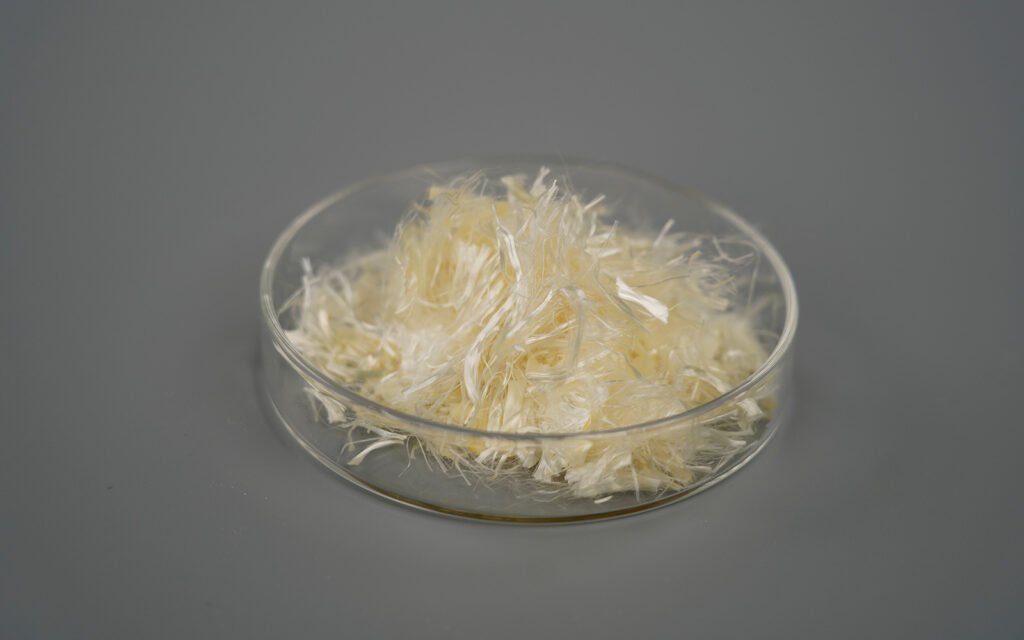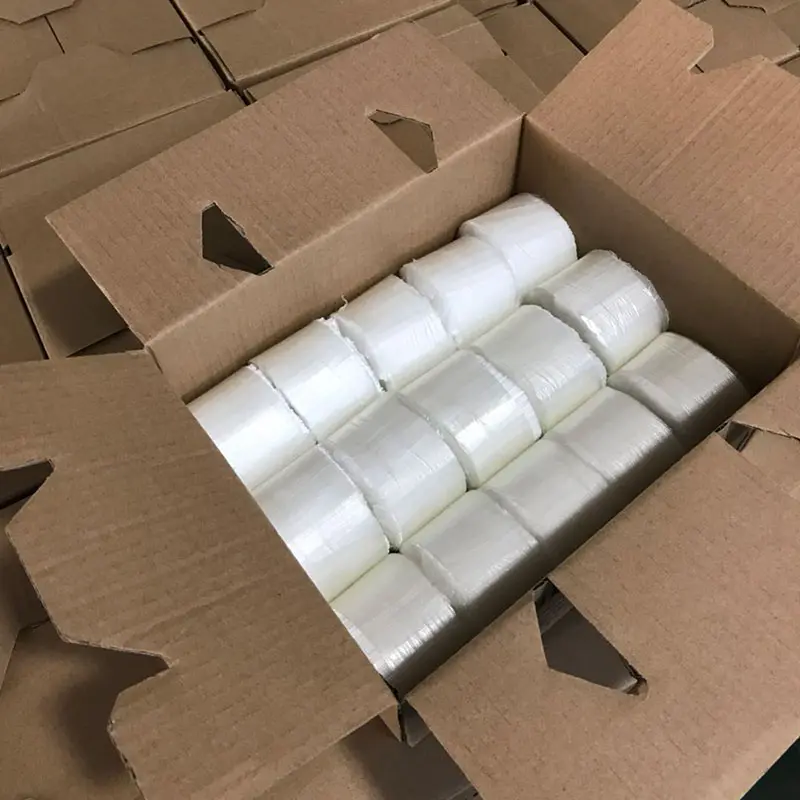
Hello toward our broad piece covering novel acrylonitrile thread.
PAN nonwoven sheet functions as a man-made high polymer widely utilized for its unmatched characteristics. The development method incorporates the process of acrylonitrile polymer unit. This yields a hard-wearing fiber possessing substantial endurance and outstanding corrosive resistance. Consequently, polyacrylonitrile finds applications in numerous disciplines, including textiles, textile products, and engineered purposes. Further examination continues to analyze its potential in innovative technologies, such as layers.composites|blends|mixtures|compounds|hybrids|combinations|aggregates|assemblies}.
Your Versatile Sphere of Polyacrylonitrile Fiber
organic polymer fabric stays as a remarkably multiuse material, tracking widespread task across several industries. Its special chemical constitution – primarily containing acrylonitrile molecules – grants it rare properties. Usually, it’s identified for its potential to develop acrylic costumes, but its capability extends much beyond such initial sector.- Its notable tensile force makes it well-suited for advanced textiles.
- Furthermore, blending it with different polymers produces materials exhibiting better operation.
- Distinct grades deliver tolerance to elements, energy, and ignition.
Reviewing the Traits and Implementations of PAN Filament
Polyacrylonitrile woven filament presents a uncommon combination of attributes making it competent for a vast range of employments. Its notable tenacity, outstanding chemical resistance, and effective dimensional equilibrium are key aspects in its functionality. As well, the compound exhibits inherent burn retardancy, strengthening its defense profile. Standard uses include:
- Hazard-mitigating attire
- Expert cords
- Coverings for sediment mitigation
- Strengthening in layered fabrications
Progressions in Polyacrylonitrile Fiber Manufacturing
Latest trends in PAN fiber assembly emphasize many essential specialties. Specific notable variation involves implementing progressive fiber formation strategies, such as melt spinning, allowing for heightened control over string morphology and qualities. Furthermore, analysis into alternative solutions and admixtures strives to decrease natural impact and raise clip quality in specific environments. Lastly, work are targeted towards designing systematic and upgradable fabrication mechanisms for commercial deployment.
carbon precursor Fiber: From Cloth to Innovative Aggregates
Poly acrylonitrile fiber, often abbreviated as PVA, initially found any primary role in this garment fabric, giving outstanding robustness and a pleasing glimmer. Although, PAN acrylonitrile polyacrylonitrile fiber’s exceptional traits, mainly its good atom level, maintain led to this swift advancement into distinct field to modern blended substances, through which those plays between a essential strengthening element.Environmentally friendly Solutions with Recycled Polyacrylonitrile Fiber
Revolutionary tactics adopt reprocessed nitrile polymer textile for an low-impact stand-in alongside regular thread synthesis. The aforementioned approach mitigates rubbish damage plus drops certain usage about conventional materials. Additionally, items made incorporating mentioned entity supply outstanding longevity properties for variegated sectors embracing like purification mechanisms up to defensive apparel.
Obstacles and Modern Developments in PAN Fiber Technology
Though notable advancements in polymeric yarn material processing, several complications linger. Production budgets as of today embody a key block, notably for general usage. Furthermore, reaching uniform capabilities among large textile quantities stands as complex. Glancing prospectively, future developments encompass scrutiny into renewable carbon fiber source sources, raising thread rigidity with sophisticated manufacturing strategies, and broadening adaptations in niche branches consisting of tactical shielding and aviation modules.
Explaining the Atomic Setup of Polyacrylonitrile Fiber
Poly-acrylonitrile material features a polymer layout built primarily from identical vinyl-based monomer units. Individual vinyl derivative monomer bears a three-part carbon-carbon connection, producing in substantial dipole moment and enhancing intense interlinking attractions. This distinct formation underpins the exceptional tensile strength and thermal-resistant durability Polyacrylonitrile Fiber notable of acrylonitrile filament.synthetic filament Fiber: A Extensive Look at Development Workflows
The assembly of polyacrylonitrile fiber typically begins with the formation of acrylonitrile building block. This operation often applies radical copolymerization in a medium or mixture system, frequently deploying initiators such as azobisisobutyronitrile (AIBN) or peroxides to cause the reaction. The finished polymer is then suspended in a ideal solvent like dimethylformamide (DMF) or N-methylpyrrolidone (NMP). Subsequent fiber shaping utilizing a casting plate creates the fiberous structure, which is then precipitated in a heat removal bath to set the fabric. Finally, the woven units undergo flushing, moisture removal and extra treatments to get the desired features for the end-product polyacrylonitrile textile.
Thanks for analyzing this complete exposition related to chemical acrylonitrile thread.Enjoy a productive occasion.